Why Two Identical Metal Parts Can Have Very Different Service Lives
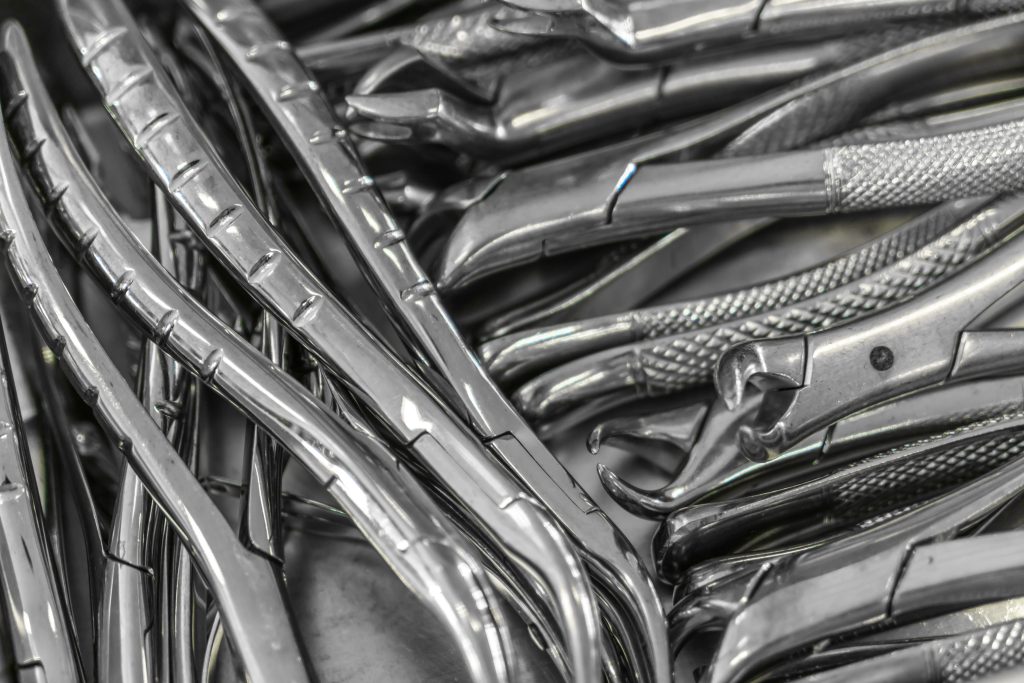
At first glance, two metal parts can look completely identical.They may be made from the same metal, have the same dimensions, and be manufactured for the same piece of equipment. Yet after spending some time in operation, one part may remain in good condition while the other starts showing rust, surface damage, or signs of wear.
The difference is not always in the metal itself.How a part is prepared, where it is used, what it is exposed to, and how its surface is treated can all affect its service life. This is something manufacturers and engineering companies need to consider when dealing with components that are expected to work for long periods.
A suitable surface treatment does not make a component indestructible. What it can do is give the surface better protection against the conditions it is likely to face.
The Same Metal Can Face Different Conditions
Think about two identical steel components. One is installed inside a production facility where the environment is relatively dry. The other is installed in an area where there is regular moisture, dust, or exposure to salty air.
Although the parts are identical, they are not experiencing the same conditions. The second component is likely to face greater surface stress. If it is also exposed to constant movement or contact with another metal surface, wear can become another concern.
This is particularly relevant in the UAE, where industrial equipment can operate in high temperatures and humid conditions. Components used near coastal areas may also be exposed to salt and moisture. The environment surrounding a component should therefore be considered when deciding how its surface needs to be protected.
Surface Preparation Starts the Process
A coating cannot compensate for poor preparation. Before plating or coating takes place, the metal surface normally needs to be cleaned and prepared. Oil, grease, dust, rust, oxidation, and other contaminants can affect the final finish if they are not properly removed. The preparation required depends on the material and the condition of the component.
A part that has been sitting in storage may need a different preparation process from a used component being sent for refurbishment. Similarly, aluminium, steel, and other metals may require different approaches. This stage is sometimes overlooked because the preparation is no longer visible once the final coating has been applied. But it can have a significant effect on adhesion and the overall quality of the finished surface.
What the Coating Is Expected to Do
There is no point choosing a coating simply because it looks good.The finish should have a purpose. For some products, the main requirement may be protection from the weather. For an industrial component, resistance to corrosion or wear may be more important. Other parts may need a harder surface or a specific dimensional finish.
Powder coating is commonly used where a durable finish and good appearance are required. For companies comparing Powder Coating Suppliers in UAE, the important question is not only which colours are available. It is also worth looking at how the metal is prepared, what coating system is used, how the coating is cured, and whether the supplier regularly handles similar products.These details can have a bigger effect on the finished result than many people expect.
When a Metal Plating Process Is More Suitable
Some components are better suited to plating than powder coating. Electroplating works by depositing a layer of another metal onto the component using an electrical current. The deposited layer can provide specific surface properties depending on the metal and the application. This can be useful for components where corrosion resistance, hardness, wear resistance, or appearance is important.
For businesses considering Electroplating in Sharjah, the application should be discussed before the process is selected. The same plating specification may not be appropriate for every component. The material of the part, its dimensions, how it moves, and what it is exposed to all matter.
Why Nickel Plating Is Used
Nickel is widely used in surface finishing because it offers a combination of useful properties. A nickel coating can improve resistance to corrosion and wear and can increase surface hardness. It can also provide the clean metallic appearance that is required for some products. For industrial applications, Nickel Plating in Sharjah can be useful when a component needs more protection than the untreated metal surface can provide. The thickness of the nickel coating also needs to be considered. For parts that have close tolerances, even a small change in dimensions can matter. This is why the plating specification should be decided according to the actual component rather than using the same approach for every job.
Component Shape Can Change the Requirements
Not every metal part has a simple shape. Some components have deep holes, narrow openings, recesses, corners, or other areas that are difficult to treat consistently. A surface treatment that works well on a flat component may need more attention when applied to a complicated part. This is particularly important when the component has to fit precisely into another assembly. The coating should provide the required protection without creating problems with dimensions or movement. A coating company with experience in industrial components can assess these requirements before the work starts.
The UAE Climate Should Be Taken Into Account
The environment in which a metal product is installed can have a major influence on its condition. Heat is one consideration, but it is not the only one. Humidity, dust, moisture, and salt exposure can also contribute to surface deterioration. A product used indoors in a controlled environment may not require the same level of protection as an outdoor structure. For businesses looking at Powder Coating in Sharjah, this is worth keeping in mind. The intended location and use of the finished product should be discussed before the coating is selected. The goal is to choose a finish that makes sense for the conditions rather than simply choosing the most commonly used option.
Why Finding a Nearby Coater Is Not Enough
When a coating job is needed, it is natural to search for Powder Coating near me. Having a coating company nearby can be convenient, especially when large or heavy components need to be transported. But proximity alone does not tell you whether the company is suitable for the work. For industrial applications, manufacturers should also consider the company’s experience, equipment, preparation methods, quality controls, and familiarity with the type of component involved. A nearby service that does not understand the requirements of the job may create more problems than it solves.
Maintenance Starts Before the Part Is Installed
Surface protection is sometimes treated as something that happens at the end of manufacturing. In reality, it can be part of the planning process from the beginning. If a component is expected to operate in a corrosive environment, this should be considered when the material and surface treatment are selected. If the part will experience continuous friction, wear protection may need to be given more attention. Thinking about these factors before production can be easier and less expensive than trying to solve a surface problem after the component has already been installed.
Why One Coating Cannot Be Used for Everything
Different metal products have different requirements. A fabricated frame may benefit from powder coating. A smaller engineering component may require electroplating. Another part may be better suited to nickel plating because of the corrosion or wear protection it needs. There is no universal answer. The best treatment depends on the base material, shape, operating environment, required appearance, and expected service conditions. That is why manufacturers should explain the actual use of the component when discussing a coating job. A coating provider can make a more appropriate recommendation when they understand what the part will face.
Small Decisions Can Affect Long-Term Performance
The difference between a component that lasts and one that requires early attention is not always obvious. It can start with something as simple as how the surface was cleaned. It can be related to the coating selected or the environment where the part was installed. In other cases, regular friction or poor handling may be responsible. There is rarely one single factor. Looking at the complete process gives manufacturers a better chance of getting the expected performance from their metal components.
Frequently Asked Questions (FAQs)
Why can two identical metal parts have different service lives?
Two identical metal parts can have different service lives because they may experience different operating conditions. Factors such as moisture, temperature, chemicals, friction, surface preparation, and the type of coating applied can affect how long a component performs.
How does surface preparation affect metal coating performance?
Surface preparation is an important part of the coating process. Removing contaminants such as oil, grease, dust, rust, and oxidation helps improve coating adhesion and supports a more durable finish.
How do I choose between powder coating and metal plating?
The choice depends on the application requirements. Powder coating is often suitable for products that need a durable protective finish and good appearance, while plating processes are considered for components that require properties such as corrosion resistance, wear protection, or increased surface hardness.
What industries use powder coating and metal plating in the UAE?
Industries such as manufacturing, construction, engineering, automotive, marine, and industrial equipment use powder coating and metal plating to protect components from corrosion, wear, and environmental exposure.
Why is nickel plating used for industrial components?
Nickel plating is used because it can improve corrosion resistance, surface hardness, wear resistance, and appearance. It is commonly considered for components that require additional protection compared with untreated metal surfaces.
Final Thoughts
Two identical metal parts can have very different service lives because the conditions around them are not necessarily identical. The metal itself matters, but so do preparation, surface treatment, component design, installation, and the environment in which the part operates. Powder coating, electroplating, and nickel plating each have useful applications. The right choice depends on what the component needs rather than simply what coating is most popular.
For businesses in the UAE, taking a little more time to understand the surface protection requirements can help prevent avoidable corrosion and wear and keep metal components performing properly for longer. Contact Al-Sahari Metal Coating today to discuss your metal coating requirements.